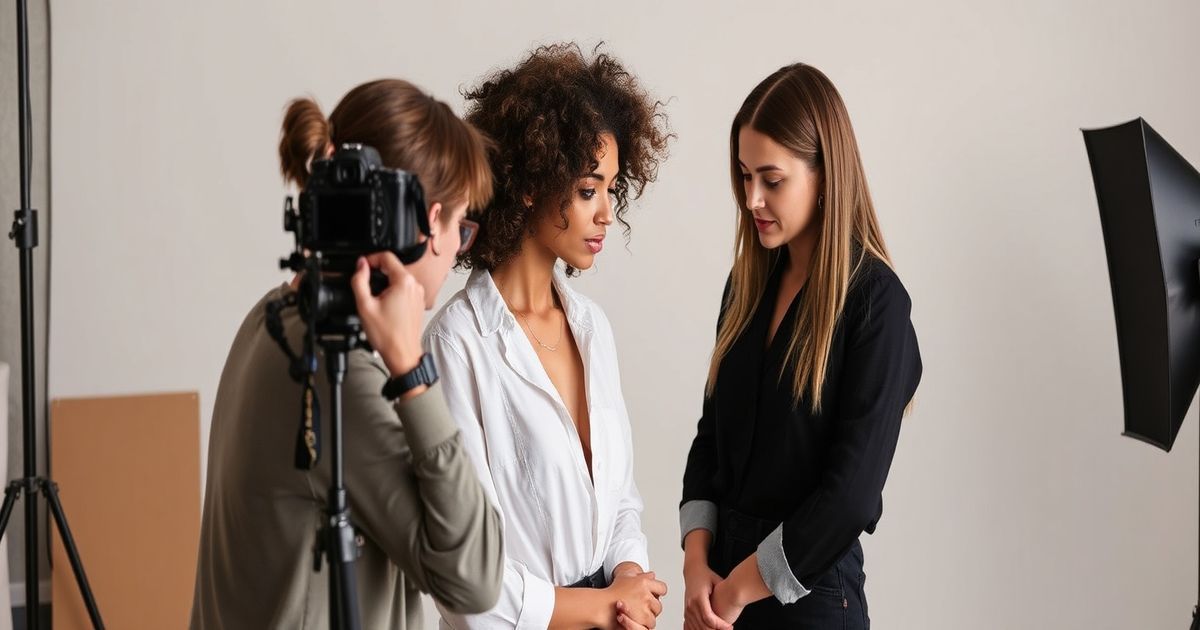
Behind every extraordinary photograph is a relationship. The dynamic between a model and a photographer is the creative engine that drives the image-making process, and the quality of their communication determines the quality of the final result. Whether you are stepping onto set with a photographer for the first time or deepening a long-standing creative partnership, mastering the art of professional communication will elevate your work in ways that technical skill alone cannot achieve.
Understanding Different Photographer Styles
No two photographers work the same way, and one of the most valuable skills a model can develop is the ability to quickly read and adapt to different creative approaches. Some photographers are highly directive, providing specific instructions for every pose, angle, and expression. Others prefer a collaborative approach, offering broad guidance while leaving room for the model to interpret and contribute. Still others work in an almost documentary style, capturing spontaneous moments with minimal intervention.
Before a shoot begins, take a few moments to observe how the photographer communicates. Do they demonstrate poses physically? Do they use verbal cues? Do they show reference images on a screen? Understanding their communication style early allows you to calibrate your responses and establish a productive rhythm from the first frame.
- Directive photographers: Follow instructions precisely and quickly. They value efficiency and exactness. Save your creative suggestions for between setups unless invited to contribute during shooting.
- Collaborative photographers: Bring your own ideas and energy. They want a creative partner, not a mannequin. Offer variations and ask for feedback as you work.
- Observational photographers: Stay present and natural. Move organically, and trust that they are capturing the moments that matter. Avoid over-posing or looking for constant direction.
Pre-Shoot Communication
The best shoots begin long before anyone picks up a camera. When possible, establish communication with the photographer before the shoot date. This might happen through your agency, via email, or during a brief call. The purpose is to align expectations, discuss the creative direction, and address any practical considerations. Having a strong portfolio of recent work to reference during these conversations helps ground the discussion in shared visual context.
Key topics to cover in pre-shoot communication include the overall mood and concept of the shoot, the number of looks or setups planned, the expected duration, and any specific requirements regarding hair, makeup, or wardrobe. If you have seen the photographer's previous work and have questions about their approach, this is the appropriate time to ask. Arriving on set with shared understanding eliminates confusion and allows the creative process to begin without friction.
The most productive creative relationships are built on mutual respect and clear communication. When a model and photographer understand each other before the shoot begins, the magic on set becomes inevitable.
Reading Direction Quickly
On set, time is often limited, and the ability to interpret and execute direction quickly is among the most prized qualities in a professional model. Direction from photographers can come in many forms: verbal instructions, physical demonstrations, reference images shown on a phone or monitor, or even abstract descriptions of emotion and energy.
When a photographer says something like "give me more tension in your jaw" or "imagine you have just received unexpected news," they are asking you to translate language into physical expression. This skill improves with experience, but you can accelerate your development by practicing in front of a mirror, studying how experienced models interpret similar cues in behind-the-scenes content, and actively building your vocabulary of poses and expressions. Our model resources section offers additional guidance on developing these skills.
If you do not understand a piece of direction, ask for clarification immediately. A brief question such as "Do you mean tension here, or softer?" is far preferable to executing the wrong direction repeatedly and wasting valuable shooting time.
Asking the Right Questions
Knowing when and how to ask questions is a subtle but important skill. The right question at the right moment can unlock a creative breakthrough; the wrong question at the wrong time can disrupt the flow of a session. As a general principle, ask questions during natural pauses, such as between setups, during lighting adjustments, or when the photographer is reviewing images on the back of the camera.
Effective questions focus on the creative vision rather than on yourself. Instead of asking "Do I look good?", try "Is this angle giving you what you need?" or "Would you like more movement in the next series?" These questions demonstrate that you are thinking about the project as a whole, not just your own appearance, and they position you as a collaborative professional rather than a passive subject.
Giving and Receiving Feedback
Creative collaboration involves feedback flowing in both directions. When a photographer shares images during the shoot, whether on a tethered monitor or the camera's LCD screen, use the opportunity to learn. Notice which poses and expressions are working and which are not. If you see something you would like to adjust, mention it constructively: "I notice my shoulder is creating a shadow there. Shall I angle it differently?"
Receiving feedback gracefully is equally important. If a photographer asks you to change something, respond with action rather than explanation. Avoid becoming defensive or over-explaining your choices. The goal is always the best possible image, and professional detachment from individual frames allows you to stay focused on that objective throughout the session.
Adapting to Different Energy Levels
Every photographer brings a different energy to the set, and your ability to match or complement that energy directly affects the dynamic of the shoot. Some photographers are high-energy, playing music, maintaining constant verbal engagement, and creating an atmosphere of excitement and spontaneity. Others prefer quiet concentration, working methodically and communicating in measured, precise terms.
Neither approach is superior; they simply require different responses from you as a model. With high-energy photographers, match their enthusiasm. Move freely, try bold choices, and feed off the momentum they create. With quieter photographers, bring calm focus and precision. Let the work speak through subtlety rather than spectacle. The most versatile models can shift seamlessly between these modes, adapting their energy to complement whoever is behind the camera.
Building Long-Term Working Relationships
The fashion industry thrives on relationships, and the model-photographer connection is one of its most important. When you find a photographer whose creative vision aligns with yours and whose working style brings out your best, invest in that relationship. A simple follow-up message after a shoot expressing gratitude and enthusiasm for the work goes a long way. Sharing the final images on your social media, with proper credit, strengthens the professional bond and demonstrates mutual support.
Over time, these relationships deepen into creative partnerships where communication becomes almost intuitive. You begin to anticipate each other's instincts, and the work reaches a level of quality that only comes from accumulated trust and shared creative history. Some of the most iconic images in fashion history were produced by model-photographer pairs who had developed exactly this kind of deep professional rapport.
The Foundation of Trust and Professionalism
At its core, effective communication between models and photographers rests on a foundation of trust and professionalism. Trust that the photographer is working to create the best possible images. Trust that the model is bringing genuine effort and engagement to every frame. And professionalism in every interaction, from the first email to the final handshake at the end of the shoot day.
Arrive on time, be prepared, stay positive even when conditions are challenging, and treat every member of the creative team with equal respect. These behaviors create an environment where great communication happens naturally, and great communication, in turn, produces the images that define careers. The camera captures far more than physical appearance; it captures the quality of the connection between the people on either side of the lens.