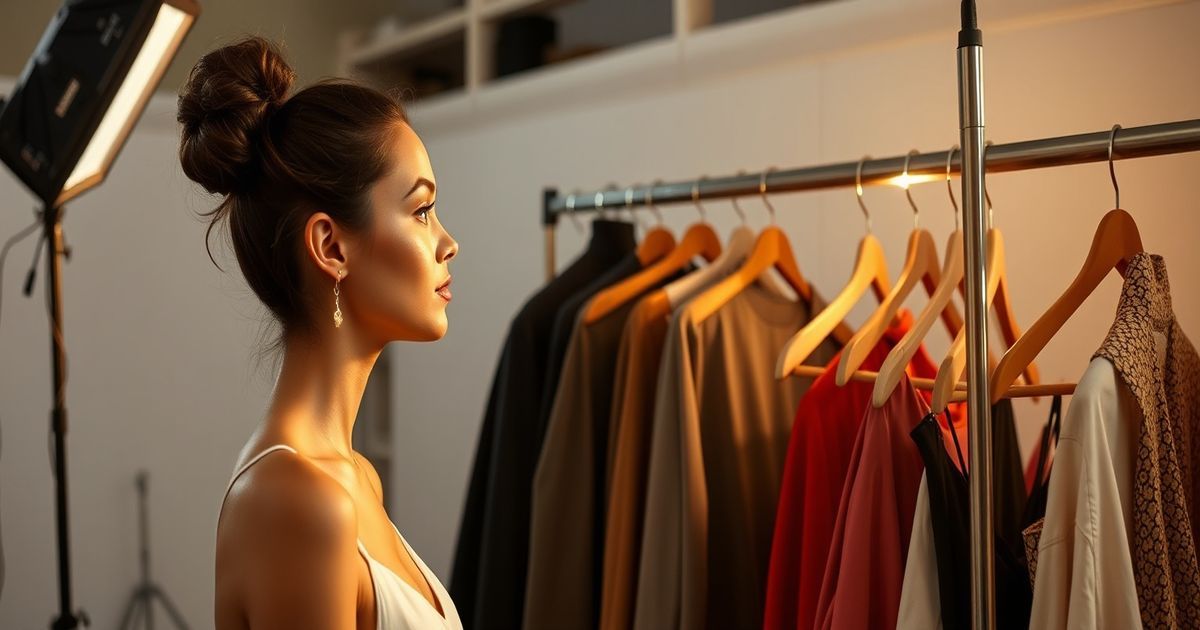
Your first editorial shoot is one of the most defining moments in any modeling career. It marks the transition from test shots and casting calls to the kind of creative, story-driven imagery that fills the pages of magazines and lookbooks. The experience can be exhilarating, but it can also feel overwhelming if you arrive unprepared. The good news is that with the right approach, you can walk onto set with confidence and deliver the kind of performance that leads to more bookings down the line.
Understanding the Brief and Mood Board
Before anything else, make sure you thoroughly understand the creative brief. An editorial shoot is not a simple portrait session; it tells a story, evokes a mood, and communicates a specific vision. Your agency or the creative director will typically share a mood board in advance, which includes reference images, color palettes, styling notes, and thematic direction.
Study the mood board carefully. Pay attention to the posing styles, facial expressions, and body language in the reference images. Are the tones dramatic and high-fashion, or soft and ethereal? Is the narrative playful or moody? Understanding these nuances will allow you to arrive on set already aligned with the creative vision, which saves time and earns you respect from the team.
Wardrobe Preparation
For most editorial shoots, the stylist will provide the wardrobe. However, you may be asked to bring specific undergarments or shoes. Pay close attention to any wardrobe notes you receive and follow them precisely. Bring nude seamless undergarments as a default, and always pack a pair of heels and flat shoes unless told otherwise.
- Nude undergarments: Seamless and well-fitted, matching your skin tone.
- Shoes: A pair of classic heels and simple flats, both in neutral tones.
- Accessories: Keep jewelry minimal unless directed otherwise; the stylist will provide what is needed.
- Backup options: A clean white T-shirt and well-fitted jeans can serve as useful fallbacks.
Skincare in the Days Before
Your skin is your canvas, and editorial photography captures every detail. In the week leading up to your shoot, commit to a disciplined skincare routine. Hydrate generously, both internally and externally. Drink plenty of water, avoid excessive salt and sugar, and use a quality moisturizer suited to your skin type.
Avoid trying any new products or treatments in the days immediately before the shoot. A sudden breakout or allergic reaction could compromise the entire project. Stick to what you know works for your skin. Get adequate sleep each night, as fatigue shows plainly on camera in ways that even skilled makeup artists cannot fully conceal.
What to Bring to Set
Arriving well-equipped demonstrates professionalism. Beyond your wardrobe essentials, pack a small kit that includes the following items:
- A robe or wrap for between setups
- Deodorant and basic hygiene essentials
- Your portfolio or comp card, in case the team has not seen your book
- A phone charger
- Healthy snacks and a water bottle
- Any medications you may need throughout the day
Preparation is not about being perfect. It is about showing the creative team that you respect their time, their vision, and the craft itself.
Working with the Creative Team
An editorial set typically involves a photographer, stylist, hair and makeup artists, a creative director, and possibly assistants and producers. Each person plays a vital role in bringing the vision to life. Introduce yourself to everyone when you arrive, and be genuinely friendly without being disruptive.
Listen carefully to direction. The photographer and creative director will guide you through each setup, but they also want to see your own interpretive instincts. There is a balance between following direction precisely and bringing your own energy to the frame. When in doubt, ask. A simple question like "Would you like more movement in this shot?" shows engagement without overstepping.
Being Directable
One of the most valued qualities in a model is directability. This means you can take verbal or visual cues and translate them into physical expression quickly and accurately. If a photographer says "softer," you should know how to relax your face, lower your shoulders, and let tension leave your body. If they say "more editorial," that usually calls for stronger angles, sharper jaw lines, and more deliberate poses.
Practice responding to common direction cues at home in front of a mirror or during test shoots. The more instinctive these adjustments become, the more seamlessly you will perform under the pressure of a professional set.
Handling Nerves
It is entirely natural to feel nervous before your first editorial. The key is not to eliminate the nerves but to channel them into focused energy. Arrive early so you have time to settle in without feeling rushed. Take slow, deliberate breaths before stepping in front of the camera. Remind yourself that the team booked you because they saw something in you that they believe in.
Nervousness often dissipates once the shoot begins and you find your rhythm. Trust the process, and allow yourself to be guided by the professionals around you.
Set Etiquette
Professional behavior on set is non-negotiable. Arrive on time, which in the modeling industry means arriving five to ten minutes early. Keep your phone on silent and avoid scrolling between setups unless you have extended downtime. Do not touch the wardrobe pieces without permission from the stylist, and handle all garments and accessories with care.
Be patient during lighting and camera adjustments. These technical pauses are not wasted time; they ensure that you look your absolute best in the final images. Use those moments to rest, hydrate, or mentally prepare for the next setup.
Reviewing Proofs and Building Forward
After the shoot, the images will go through editing and post-production. In many cases, you will receive selects or final images from your agency. Review them not with a critical eye toward your appearance, but with a learning mindset. Notice which angles and expressions worked best, and consider how you can refine your approach for future bookings.
Your first editorial is not the finish line; it is the starting point. Each shoot you complete adds depth to your portfolio, strengthens your professional reputation, and opens doors to more ambitious projects. Approach every opportunity with the same preparation and humility that you bring to your first, and your career will continue to build momentum in remarkable ways.