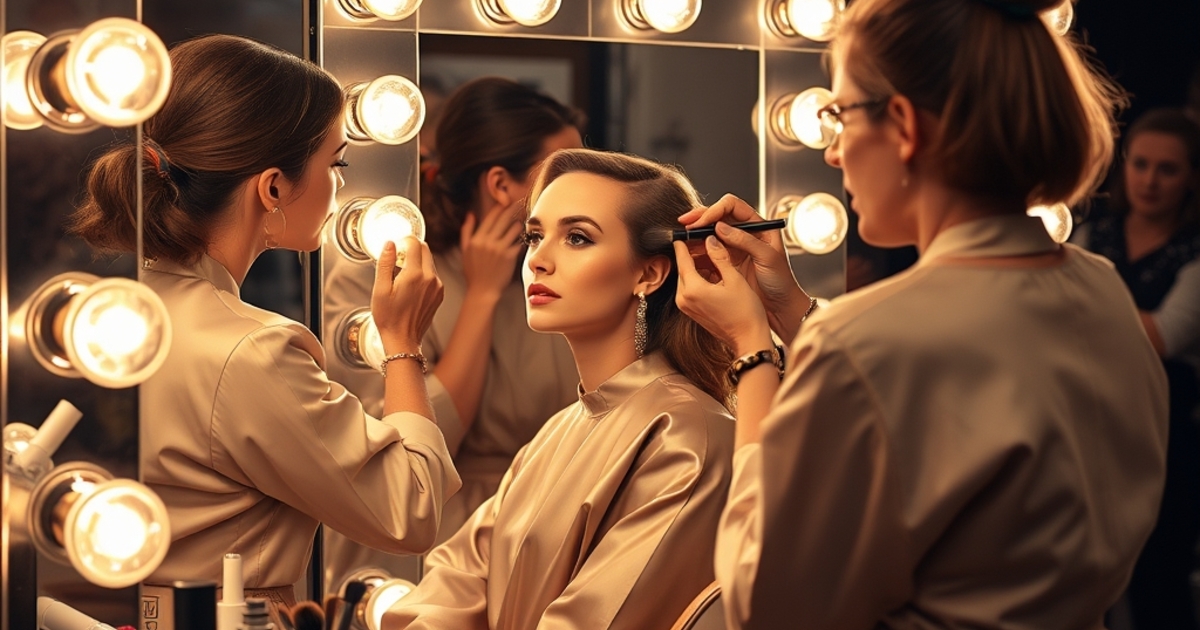
Long before the first frame is shot, a model's day is shaped in a single piece of furniture: the hair and makeup chair. It is where the creative direction becomes a face, where nerves settle or spike, and where a model quietly earns a reputation. Photographers notice the final image, but artists remember how you behaved while they built it.
Treat the chair as the first scene of the shoot. The following habits, drawn from the working routines of experienced talent, will make you a model that artists request by name.
Arrive Ready to Be Worked On
Preparation begins the night before. Arrive with a clean, moisturized face, free of heavy products, and with hair that is dry, detangled, and free of build-up unless the call sheet says otherwise. If the brief requests a specific state, such as natural texture or untreated hair, follow it precisely. Nothing slows a morning like an artist having to remove yesterday's styling before starting today's.
Pack a small kit of your own: lip balm, a gentle cleanser, a wide-tooth comb, hair ties, and a robe or button-front top that will not drag over finished hair. Bring a button-down rather than a pullover, so that nothing has to be lifted over your head after the look is complete.
Share Relevant Information Early
Artists work best when they know what they are working with. Mention allergies, skin sensitivities, recent treatments, or a fresh color service before the first product touches your skin. This is not an inconvenience; it is a safety matter, and any professional will thank you for raising it.
- Skin: flag reactions to fragrance, adhesives, or specific pigments.
- Hair: mention scalp sensitivity, heat damage, or extensions that need gentle handling.
- Comfort: if a tool is too hot or a pin is too tight, say so calmly and immediately.
The best sitters are quiet about their opinions and loud about their safety.
Understand the Reference and the Brief
Every look begins with a mood board, and the artists have usually studied it for days. Ask to see the references, and listen as the lead explains the intent. A beauty campaign may call for glass skin and bare lips, while an avant-garde editorial may require graphic liner and sculpted hair. Your role is to embody the concept rather than to negotiate it.
If something feels uncomfortable or misrepresents your identity, raise it through your agent or the creative lead instead of reworking it yourself. Respectful, specific feedback such as "could the lashes be a little lighter so I can see clearly on the runway?" lands far better than a general complaint.
Be Present, Not Passive
Sitting still is a skill. Keep your head level, close your eyes when asked, and relax your jaw so the artist can work on a soft, neutral canvas. Avoid touching your face or hair once a section is finished, and resist the urge to scroll through your phone at an angle that makes you tilt your chin.
Conversation is welcome if the artist leads it, but read the room. Early call times, tight schedules, and intense concentration all call for quiet. A pleasant greeting, a clear thank-you, and good humor are always appropriate.
Protect the Look Throughout the Day
Once you leave the chair, you become the custodian of the work. Drink through a straw if lips are finished, blot rather than rub, and keep hands away from the hairline. Eat carefully, and tell the on-set touch-up artist if something shifts so they can correct it before the camera rolls. Hair and makeup continuity matters across the entire shoot, particularly when images are shot out of sequence.
Respect the Team and Their Time
Hair and makeup artists often work with several models in a single morning, and the schedule is built to the minute. Arriving ten minutes early is on time; arriving on time is late. If you are delayed, contact your agent immediately so the team can adjust.
Handle their tools and kit with care, never borrow without asking, and keep your robe, water, and belongings out of their workspace. At the end of the day, thank the artists personally. These relationships travel with them, and an artist who enjoys working with you will recommend you to clients, photographers, and stylists.
Leave the Chair Better Than You Found It
The chair is not simply a stop on the way to the set. It is a working collaboration in which your preparation, communication, and temperament shape the result. Models who master it find that sets run smoother, images come out stronger, and rebookings follow.
Approach each morning as a creative partnership, arrive clean-faced and curious, and the rest of the shoot tends to take care of itself. For more on arriving prepared, explore our guides to fitting appointment etiquette and expression and body language on set.