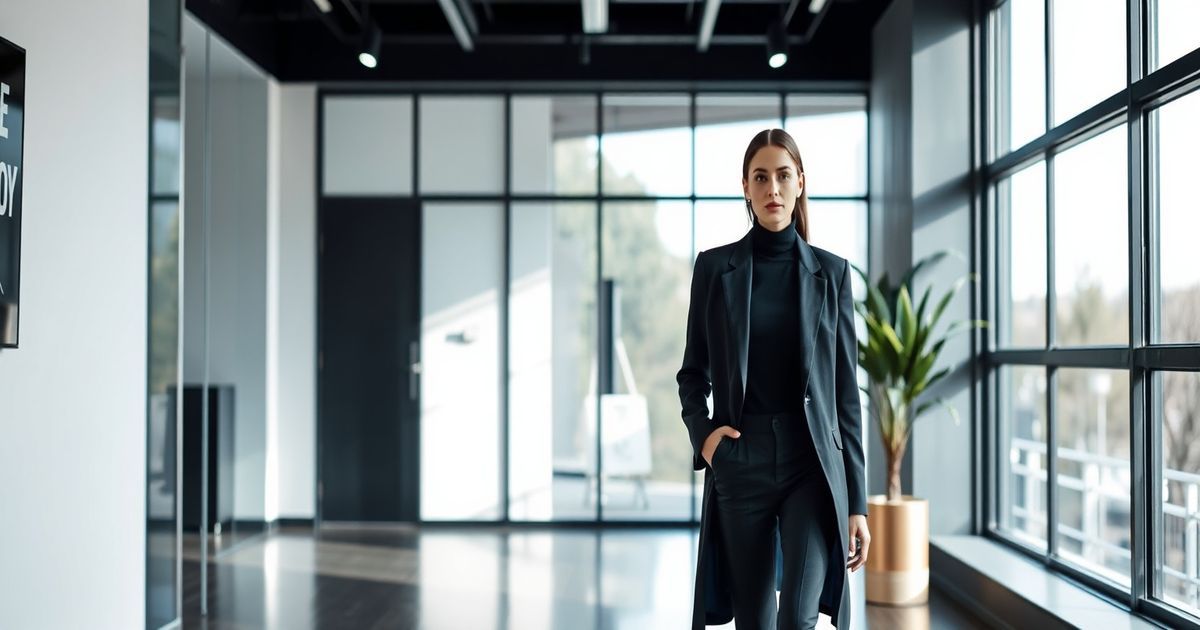
In the modeling industry, the go-see is one of the most consequential yet least discussed professional moments a model faces. Unlike a formal casting, where multiple candidates are evaluated on a structured brief, a go-see is a direct client meeting — often with a brand, a creative director, or a photographer who simply wants to see you in person. It is your opportunity to make a real human impression, and how you handle those few minutes can determine whether your composite card ends up in the booking pile or the recycling bin.
Understanding what a go-see actually is — and how to approach it with intention — is one of the most practical career investments you can make.
What Is a Go-See?
A go-see (sometimes written "go see") is an informal meeting arranged by your agency for a client to assess whether you are the right fit for a project. It differs from a casting in that there is rarely a script, a brief to perform, or a defined list of requirements to meet in the room. Instead, the client wants to evaluate your overall presence, personality, professionalism, and how your look reads in person compared to your portfolio images.
Go-sees are typically brief — anywhere from two to ten minutes — which means every detail of your appearance, manner, and composure matters from the moment you walk through the door.
Preparation Is Not Optional
The most common mistake models make before a go-see is treating it casually. Because go-sees feel less formal than castings, it is easy to underestimate how much preparation they require. In reality, the opposite should be true.
Research the Client
Before you walk in, know who you are meeting. Review the brand's most recent campaigns, their visual identity, and their typical model aesthetic. Are they known for minimalist editorial work or bold commercial imagery? Do their campaigns skew high fashion or lifestyle-oriented? Understanding their world allows you to present yourself as someone who already fits within it, rather than a blank candidate they need to imagine in context.
Prepare Your Book and Comp Card
Bring a current, clean portfolio and a fresh composite card. Ensure your book reflects your most recent work and represents the range of looks relevant to this client. If you know the client focuses on beauty campaigns, lead with strong beauty shots. If they are a contemporary lifestyle brand, open with natural, relatable imagery. Your book should tell a story tailored to the room you are walking into.
Dress the Part
Your go-see look should be simple, polished, and allow the client to project their vision onto you. Avoid heavy makeup, strong prints, or anything that competes with how you naturally look. Classic neutral tones, clean lines, and well-fitted clothing communicate professionalism and self-awareness. The goal is to look like the best version of yourself — not a character.
In the Room: Making Every Second Count
When you arrive, punctuality is non-negotiable. Build in time for traffic, elevator waits, and signing in at reception. Arriving five minutes early communicates respect for the client's schedule. Arriving late, regardless of reason, signals unreliability — a quality no brand wants associated with their talent.
Your first impression begins in the lobby, not the meeting room. The way you carry yourself from the moment you enter the building is part of the evaluation.
When you meet the client, make eye contact, offer a confident greeting, and present your book without hesitation. Let them lead the interaction — some clients prefer to flip through your portfolio in silence, others will engage you in conversation. Follow their energy rather than forcing yours into the room.
Body Language and Presence
Stand tall, keep your shoulders back, and resist the urge to fidget or fill silence with nervous chatter. Confident stillness reads as professionalism. If the client asks you to walk or turn, do so naturally and without apology. A brief, composed movement tells them far more than a rehearsed performance would.
Be Conversational, Not Performative
When clients ask questions — where are you from, what have you been working on, what kind of projects interest you — answer honestly and warmly without over-elaborating. You are not trying to close a deal in the room; you are simply giving the client enough of yourself to feel confident about you. Authenticity and ease of personality are qualities that book jobs.
After the Go-See: Following Up
Once the meeting ends, thank the client briefly and sincerely, collect any materials they may offer, and leave without lingering. The client has a schedule to maintain, and knowing when to exit gracefully is itself a mark of professionalism.
If your agency confirms the client received a positive impression, a brief follow-up note — coordinated through your agency — can reinforce the connection. Never contact clients directly without your agent's guidance, as this can complicate the professional relationship your agency has built on your behalf.
Keep a record of every go-see you attend: the client name, date, what you wore, and any notable impressions. Over time, this log becomes a valuable reference for understanding which presentations land and which need refinement.
The Long Game
Not every go-see results in a booking, and that is entirely normal. Fit decisions are often made on factors that have nothing to do with the individual model — campaign direction shifts, budget changes, or the client discovering a different creative vision mid-process. What you can control is the quality of every impression you make.
Models who approach each go-see with genuine preparation and professional composure build reputations that travel through the industry. Clients talk to other clients. Creative directors move between brands. The model who consistently shows up prepared, personable, and polished becomes the one whose name surfaces again and again — and that cumulative reputation is ultimately what sustains a long career.