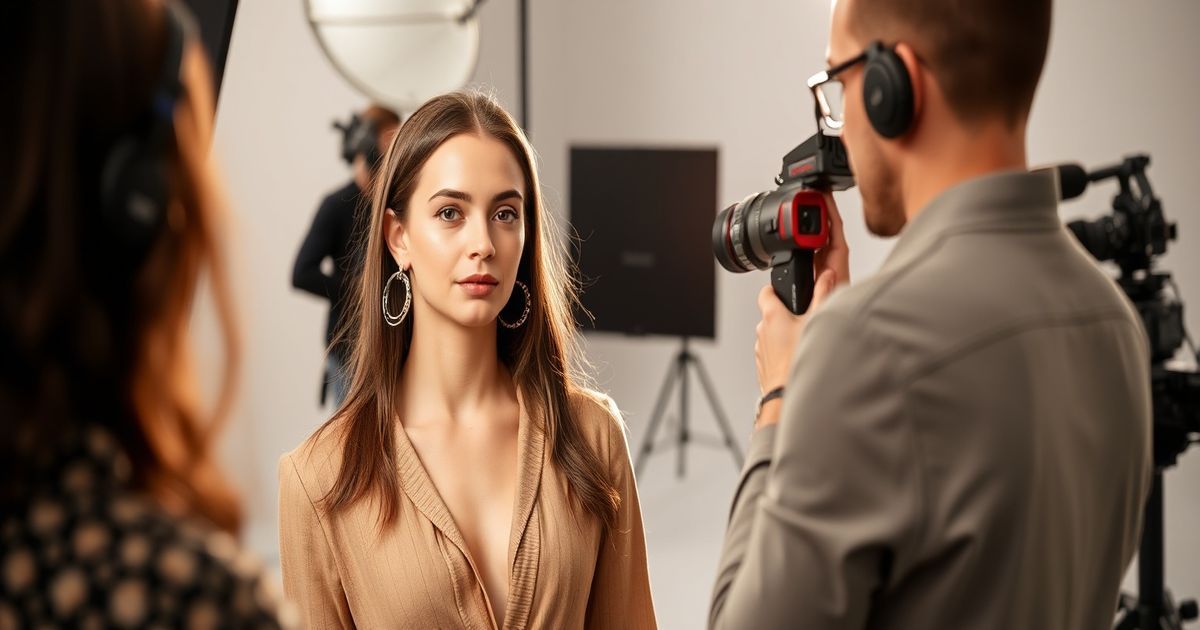
A casting call is where opportunity meets preparation. It is the moment when all of your training, your portfolio, and your professionalism converge into a brief window that can determine the trajectory of your career. Whether you are attending your first casting or your fiftieth, approaching each one with intention and strategy will dramatically increase your chances of landing the booking.
What to Bring
Preparation begins long before you walk through the door. Every casting call requires a standard set of materials, and arriving without them signals a lack of professionalism that casting directors will not overlook.
- Your portfolio or book: A curated selection of your best work, organized and up to date. Digital portfolios on a tablet are increasingly accepted, but always carry printed composites as a backup.
- Composite cards: Also known as comp cards or zed cards. Bring at least ten copies. These leave-behind materials keep you in the casting director's mind long after the audition ends.
- Measurements card: A clean, printed card with your current measurements, shoe size, and dress size. Accuracy is essential. Do not round or estimate.
- Appropriate footwear: For runway castings, bring heels in your bag even if you arrive in flats. For commercial castings, clean, versatile shoes that match the brief.
- A positive attitude: This may sound abstract, but your energy is palpable the moment you enter a room. Arrive with genuine enthusiasm and readiness to work.
How to Dress
Your casting outfit should showcase your body and personal style without competing with the designer's vision. The universal rule is simple: fitted, clean, and understated. For women, a well-fitting pair of jeans or leggings with a simple top works reliably. For men, slim-fit trousers and a fitted t-shirt or button-down shirt are appropriate. The casting team needs to see your silhouette clearly.
Avoid excessive jewelry, heavy makeup, or strong fragrances. These distractions can work against you, particularly in editorial and high-fashion castings where the aesthetic priority is the designer's clothing, not yours. Your natural features should be visible and unobstructed.
The best casting outfit is one that nobody remembers because it let you, the model, be the center of attention. Simplicity is not boring. It is strategic.
Body Language and Presence
From the moment you enter the casting venue, you are being observed. How you carry yourself in the waiting area matters just as much as your performance in front of the casting panel. Stand tall with your shoulders back. Make eye contact with the people around you. Be courteous to the other models and to every member of the production staff, from the receptionist to the creative director.
When you enter the casting room, introduce yourself clearly. State your name and agency with confidence. Avoid fidgeting, crossing your arms, or looking at the floor. These habits communicate nervousness and can undermine even the most striking physical presence. Practice standing comfortably and still, with your weight evenly distributed.
The Walk
If you are casting for a runway show, your walk is everything. Different designers prefer different walking styles, but the fundamentals are universal: a strong, even pace with purposeful strides, shoulders relaxed, chin level, and eyes focused ahead. Your arms should swing naturally, not rigidly. Your turns should be clean and decisive.
Practice your walk daily, ideally in the heels or shoes you plan to wear. Record yourself and review the footage critically. Pay attention to your posture, your stride length, and the overall rhythm of your movement. A confident walk communicates professionalism and training. It tells the casting director that you can handle the pressure of a live runway.
Answering Questions with Confidence
Casting directors may ask you about your experience, your availability, or your perspective on the brand. Answer concisely and honestly. Do not exaggerate your resume or claim experience you do not have. The fashion industry is smaller than it appears, and misrepresentations are easily discovered.
If asked about the brand or the project, demonstrate that you have done your research. Understanding how brand partnerships work can help you speak more intelligently about the client's objectives. Mention specific campaigns, recent collections, or the brand's aesthetic in a natural, conversational way. This preparation shows respect for the client's work and signals that you are genuinely invested in the opportunity, not just collecting castings.
Handling Rejection Gracefully
Rejection is an inherent part of the modeling profession. Even the most successful models in the world are not booked for every casting they attend. The reasons for not being selected are often entirely outside your control. Perhaps the client needed a different hair color, a different height, or a specific look that did not align with your features that day.
The key is to never take rejection personally. Thank the casting team for their time, leave with the same composure and professionalism you brought when you arrived, and move on to the next opportunity. Models who handle rejection with grace earn a reputation for reliability and emotional maturity, qualities that casting directors remember and value when future opportunities arise.
Follow-Up Etiquette
After a casting, a brief, professional follow-up can reinforce a positive impression. If your agency handles communications with the client, allow them to manage the process. If you are freelancing, a short email thanking the casting team for the opportunity is appropriate. Keep it to two or three sentences. Express gratitude, reiterate your interest, and leave it at that. Do not follow up multiple times or call the production office directly.
Common Mistakes to Avoid
Awareness of common pitfalls can save you from making them yourself. Here are the errors that casting directors see most frequently:
- Arriving late: There is no acceptable excuse. If you cannot make the casting time, notify your agency in advance and request a reschedule if possible.
- Using your phone in the waiting area: It signals disinterest and distraction. Be present and attentive.
- Wearing too much makeup: Casting directors need to see your skin. Keep makeup natural and minimal.
- Talking negatively about other agencies or models: This is a fast way to damage your professional reputation.
- Forgetting your materials: Arriving without your comp cards or portfolio suggests you are not serious about the opportunity.
- Ignoring the brief: If the casting call specifies a dress code or requests specific preparation, follow the instructions precisely.
Every casting call is both an audition and a learning experience. Approach each one with the discipline of a professional and the curiosity of someone who is genuinely passionate about the work. Over time, you will develop an instinct for reading rooms, connecting with casting teams, and presenting yourself with the authenticity and confidence that wins bookings. For additional guidance, visit our model resources page.