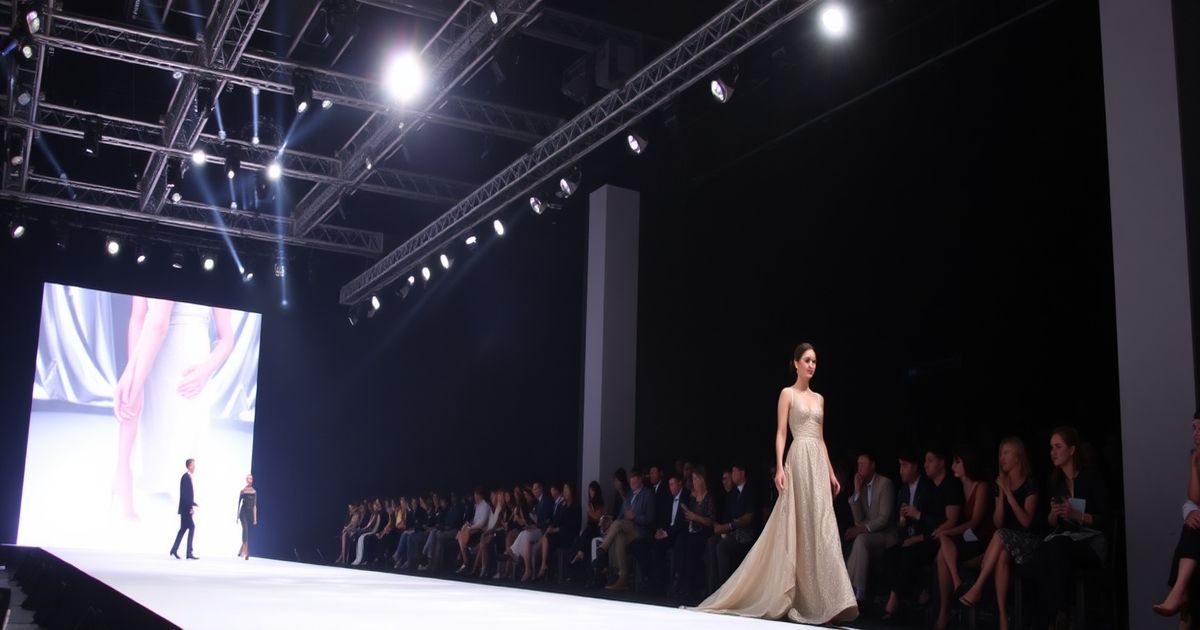
The fashion world stands at a pivotal moment as the 2026 season approaches. After several years of recalibration driven by global shifts in culture, technology, and consumer values, this year's Fashion Week circuit promises to be one of the most innovative and forward-looking in recent memory. From New York to Paris, the runways are set to showcase collections that challenge convention while embracing a new era of creative possibility.
The Key Cities and Their Evolving Roles
The traditional Big Four fashion capitals continue to anchor the global calendar, but each city is carving out an increasingly distinct identity in the 2026 landscape.
New York opens the season in February with a renewed emphasis on commercial viability and cultural relevance. The city's Fashion Week has been evolving toward a more inclusive, community-driven format, with designers prioritizing accessibility alongside artistry. Expect to see expanded casting that reflects the full spectrum of American identity, along with several debut presentations from independent labels that have built significant followings through direct-to-consumer channels.
London follows with its characteristic blend of experimental design and youthful energy. The British capital remains the incubator for the industry's boldest emerging voices, and 2026 promises several breakout moments from designers who have been developing their craft in relative obscurity.
Milan brings the season's most refined craftsmanship, with Italian houses continuing to balance heritage with modernity. This year's Milan schedule features an unusually high number of guest designers and creative collaborations that signal a willingness among established brands to embrace fresh perspectives.
Paris closes the circuit with the gravitas and spectacle that only the French capital can deliver. The couture presentations are expected to push the boundaries of wearable art, while the ready-to-wear shows will set the commercial tone for the season ahead.
Expected Themes: A Season of Bold Reinvention
Several overarching themes are poised to define the 2026 collections, reflecting broader cultural currents that extend well beyond the fashion world.
Digital Integration
The intersection of fashion and technology reaches new heights this season. Designers are incorporating digitally enhanced textiles, LED-embedded accessories, and garments designed to transform under specific lighting conditions. Beyond the garments themselves, the presentation formats are evolving, with several major houses planning hybrid physical-digital shows that allow global audiences to experience the runway in immersive new ways.
Sustainability as Standard
What was once a niche concern has become a baseline expectation. Sustainable practices are no longer positioned as differentiators but as prerequisites. The 2026 season will see an unprecedented number of collections crafted entirely from recycled, upcycled, or responsibly sourced materials. Several prominent designers have committed to carbon-neutral presentations, and the conversation has shifted from whether sustainability matters to how it can be executed with maximum creative impact.
Cultural Fusion
Globalization continues to enrich the design vocabulary, with collections drawing inspiration from diverse cultural traditions in ways that celebrate rather than appropriate. Expect to see African textile techniques woven into European tailoring, Japanese minimalism reinterpreted through Latin American color sensibilities, and Middle Eastern embroidery traditions elevated in contemporary silhouettes. The most compelling collections will be those that approach cultural exchange with genuine respect and deep research.
Fashion Week 2026 is not merely about new clothes. It is about a new relationship between fashion, technology, and the planet we share. The runway is becoming a stage for the ideas that will shape our collective future.
Predicted Trends
While the full picture will only emerge once collections are presented, early indications and pre-season previews point to several dominant trends.
- Deconstructed tailoring: Classic suiting and structured garments reimagined with exposed seams, asymmetric cuts, and deliberately unfinished elements that challenge traditional notions of polish and perfection.
- Tech-infused textiles: Fabrics that respond to temperature, light, or movement, creating garments that shift appearance throughout the day and blur the boundary between fashion and functional design.
- Maximalist accessories: After several seasons of quiet luxury and understated refinement, accessories are swinging toward bold expression. Oversized jewelry, sculptural handbags, and statement headwear are expected to dominate the accessory landscape.
- Monochromatic storytelling: Several designers are building entire collections around single-color narratives, exploring the full range of texture, silhouette, and proportion within a tightly constrained palette.
- Fluid gender expression: The erosion of traditional gendered fashion categories continues to accelerate, with more designers presenting fully genderless collections or deliberately mixing traditionally masculine and feminine elements within single looks.
Emerging Designers to Watch
Every Fashion Week season introduces new names to the global stage, and 2026 is no exception. Without revealing specifics ahead of official announcements, industry insiders are pointing to a cluster of designers from West Africa, Southeast Asia, and Eastern Europe whose debut presentations are generating significant pre-season anticipation. These emerging voices share a commitment to artisanal craft, cultural authenticity, and environmental consciousness that aligns perfectly with the season's broader themes.
For agencies and models alike, keeping a close eye on emerging designers is not just intellectually stimulating; it is strategically important. Today's emerging talent frequently becomes tomorrow's defining creative force, and early professional relationships built during debut seasons often develop into the most rewarding long-term partnerships.
What Models Should Prepare For
For models anticipating castings and bookings during the 2026 Fashion Week season, preparation should begin well in advance. The casting landscape is evolving, and several practical considerations deserve attention.
- Versatility in movement: With more designers incorporating choreographed elements into their shows, models who can move confidently beyond the traditional runway walk will have a distinct advantage.
- Digital comfort: Some castings will involve virtual auditions or digital screen tests. Ensure you are comfortable presenting yourself on camera in both live and recorded formats.
- Sustainability awareness: Designers are increasingly interested in models who understand and support sustainability values. Demonstrating genuine awareness of environmental issues is becoming a professional asset.
- Physical conditioning: Long fitting sessions, multiple show days, and demanding schedules require peak physical stamina. Our model resources page offers preparation guidance for demanding seasons. Begin conditioning well before the season starts.
The Evolving Format of Fashion Shows
The traditional runway format, while enduring, is no longer the only way designers present their work. Immersive installations, intimate salon-style presentations, outdoor spectacles, and digitally augmented experiences are all gaining traction. This evolution expands the creative possibilities for designers while demanding greater adaptability from the models who participate.
Fashion Week 2026 promises to be a season that honors the industry's rich heritage while reaching boldly toward its future. For everyone involved, from the designers and models to the editors and audiences, it is an invitation to reimagine what fashion can be and what role it plays in the broader cultural conversation. The runways await, and the possibilities have never been more exciting.