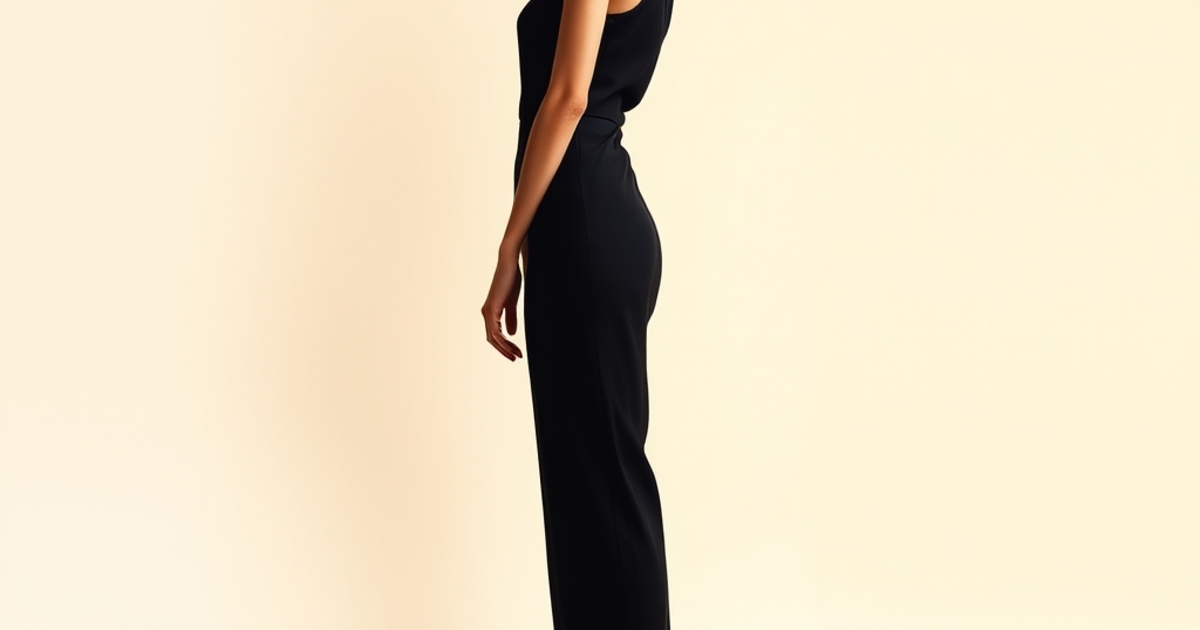
A camera forgives a great deal, but it rarely forgives collapsed posture. Every silhouette a model creates starts with the skeleton, and a body that is stacked, supported, and strong makes the clothes fall the way the designer intended. Just as important, that same body has to last through twelve-hour call times, repeated fittings, and seasons of travel. Treating alignment as a daily practice rather than an emergency repair is one of the quietest advantages a working model can build.
Why Posture Is a Professional Skill
Photographers and casting directors notice posture before they notice anything else. A lifted sternum and a long neck read as confidence from across a room, while rounded shoulders and a jutting chin shorten the line of the body and compete with the garment. On the runway, alignment determines whether a walk looks effortless or strained.
Posture also affects how long you can work. Repeated poses that twist the torso, hold the arms overhead, or push the hips forward concentrate stress in the same places day after day. Models who understand their own alignment can adjust before small habits become chronic tightness.
Finding Your Neutral Line
Good posture is not a rigid, military stance. It is a neutral stack: ears over shoulders, shoulders over ribs, ribs over pelvis, pelvis over ankles. Try this simple check each morning:
- Stand with your back against a wall, heels a few inches out, with your head, shoulder blades, and hips lightly touching it.
- Slide a hand behind your lower back. You should feel a small, natural curve rather than a large gap or a flat press.
- Soften the knees, lengthen the back of the neck, and let the ribs settle over the pelvis instead of flaring forward.
- Step away from the wall and hold that feeling for ten slow breaths.
Once you know what neutral feels like, you can return to it between setups, in the dressing room, and while waiting in line at a casting.
Posture is the frame inside the frame. When the structure is right, every pose that follows has somewhere solid to begin.
Caring for the Spine
The modeling day is full of awkward positions. Between them, give the spine variety and gentle movement.
Reset between setups
When the team repositions lights, take sixty seconds to stand, roll the shoulders back, and tuck into a slow cat-and-cow motion if space allows. Avoid slumping into a low chair for long stretches; sit tall with feet flat, or simply stand.
Build the muscles that hold you up
Strong deep abdominals, glutes, and upper back keep the spine organized without effort. Pilates, yoga, swimming, and basic strength work such as rows and bridges are favorites among working models because they build support without adding bulk. Two or three short sessions a week are more useful than one heroic workout.
Travel smart
Airplane seats and rental cars reward slouching. Bring a small lumbar support, stand and walk each hour, and stretch the hip flexors and chest after landing. Carry bags on alternating shoulders, or choose a backpack worn on both.
Looking After Your Feet
Feet carry the weight of the career. Heels, stiff boots, and borrowed shoes in the wrong size are part of the job, and so is the discomfort that follows if they are not managed.
- Bring your own essentials. Pack blister plasters, silicone toe sleeves, gel cushions, and moleskin. Sample shoes are often a half size off, and a small adjustment can save a long day.
- Speak up early. If a shoe is causing pain, tell the stylist or the wardrobe team right away. A quiet request in the first hour is far better than limping through the last setup, and clients would always rather solve a fit problem than see it in the frame.
- Warm up the ankles. Gentle circles, calf raises, and a few minutes of walking before a heeled show or shoot prepare the joints and reduce the risk of a sprain.
- Recover in the evening. Roll the arches over a ball, stretch the calves against a wall, and elevate the legs for ten minutes. Barefoot time at home lets the small muscles of the foot work again.
- Rotate your footwear. Away from set, wear supportive, well-fitting shoes rather than extending the heel-heavy hours of the workday.
Walking in Heels Without Paying for It
A strong runway walk comes from the whole body, not the shoe. Keep the weight over the ball and midfoot rather than sinking back into the heel, let the hips lead smoothly, and keep the ribs stacked over the pelvis so the lower back does not arch to compensate. If heels are new to you, practice at home in short, frequent sessions and increase the height gradually. Rehearse the turn as well as the straight line; pivots are where ankles and knees are most vulnerable.
Know the Difference Between Tired and Hurt
Muscle fatigue after a demanding day is normal. Sharp, persistent, or radiating pain is not. Numbness in the toes, pain that wakes you at night, or a joint that swells should be assessed by a physician or physical therapist rather than hidden under concealer and good lighting. Tell your agent if an injury will affect your availability; honest, early communication protects both your health and your reputation, and a short break now is far better than a long absence later.
Small Habits, Long Careers
Alignment is built in unremarkable moments: how you stand at the coffee counter, how you carry a bag, how you sit between looks. Add a few minutes of mobility work to your morning, strengthen the muscles that support you, and treat your feet as the professional equipment they are. The result is a body that photographs cleanly, moves with ease, and stays ready for the next call.