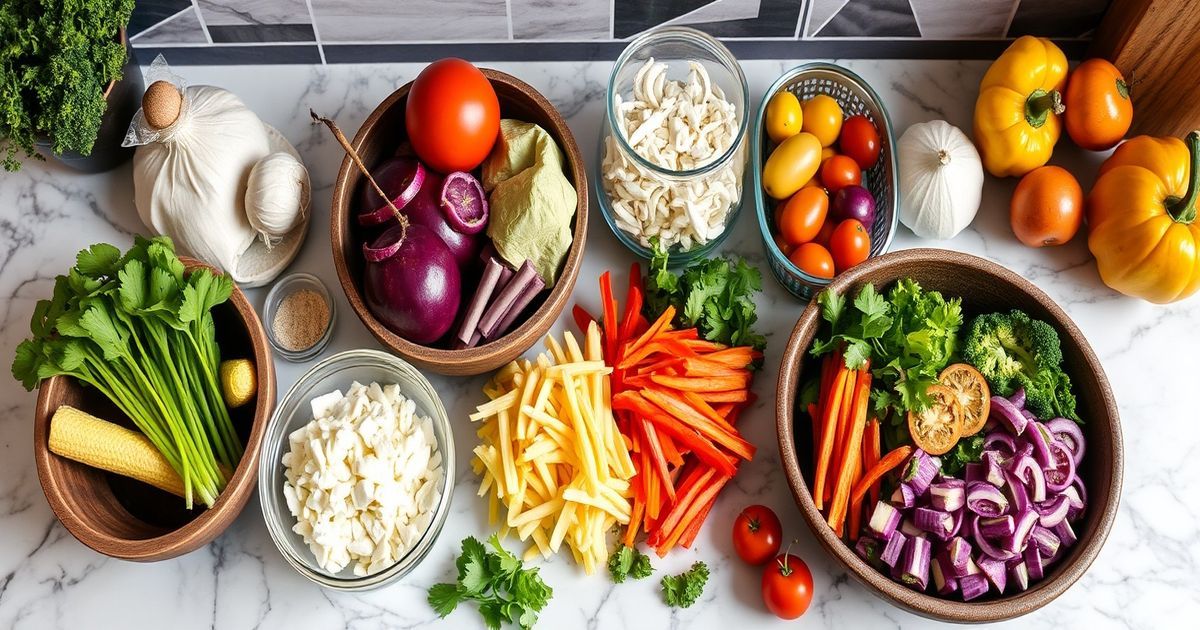
A modeling career is physically demanding in ways that are easy to underestimate. Long days on set, constant travel, early call times, and the pressure to maintain a consistent appearance all place extraordinary demands on your body. The foundation of meeting those demands is nutrition. Not restrictive dieting, not elimination protocols, but thoughtful, balanced eating that fuels your performance, protects your health, and keeps you looking and feeling your best.
Understanding Balanced Macronutrients
Your body requires three primary macronutrients to function optimally: proteins, carbohydrates, and fats. Each plays a distinct and essential role, and eliminating any one of them will eventually compromise both your health and your career.
Protein supports muscle maintenance, skin health, and tissue repair. Lean sources such as chicken, fish, eggs, legumes, and Greek yogurt should appear in every meal. For most working models, aiming for a palm-sized portion of protein at each meal provides adequate intake without requiring calorie counting.
Carbohydrates are your body's primary energy source. Complex carbohydrates like whole grains, sweet potatoes, oats, and brown rice provide sustained energy that prevents the crashes associated with refined sugars. Carbohydrates are not the enemy. They are the fuel that powers your walk, your focus during a twelve-hour shoot, and your ability to recover between bookings.
Healthy fats support hormone production, brain function, and the health of your skin and hair. Avocados, nuts, olive oil, and fatty fish like salmon deliver the essential fatty acids your body cannot produce on its own. Including a source of healthy fat in each meal also promotes satiety and stable blood sugar levels.
Hydration as a Non-Negotiable
Adequate hydration affects every aspect of your appearance and performance. Dehydration dulls the skin, deepens under-eye shadows, reduces mental clarity, and saps physical energy. For models, these effects are not abstract health concerns; they are visible on camera and in person.
Aim for a minimum of two liters of water daily, and increase your intake during travel, physical activity, or warm-weather shoots. Carry a reusable water bottle as a constant companion. If plain water feels monotonous, add slices of cucumber, lemon, or fresh mint for flavor without added sugars.
Your skin is the largest organ in your body and the first thing the camera sees. What you drink matters as much as what you eat. Consistent hydration is the single most impactful habit you can build for your appearance and your energy.
Meal Preparation for Travel
Travel is one of the greatest nutritional challenges for working models. Airport food, hotel breakfasts, and unfamiliar restaurant menus can derail even the best intentions. The solution is preparation. Dedicate time before each trip to assembling portable, nutritious options.
- Portable proteins: Pre-cooked chicken breast, hard-boiled eggs, individual nut butter packets, and protein bars with minimal added sugar.
- Smart snacks: Mixed nuts, dried fruit in small portions, rice cakes, and cut vegetables stored in sealed containers.
- Grains on the go: Pre-portioned overnight oats, quinoa salads in jars, or whole grain wraps that travel well without refrigeration for short periods.
- Hydration helpers: Electrolyte packets, herbal tea bags, and your water bottle, always filled before boarding.
When eating out is unavoidable, look for restaurants with grilled protein options, fresh salads, and vegetable sides. Most establishments are willing to modify dishes on request, so do not hesitate to ask for dressings on the side or substitutions that align with your nutritional goals.
Eating on Set
On-set catering varies enormously in quality. Some productions offer well-balanced craft services with fresh options, while others provide little beyond pastries, sugary drinks, and processed snacks. Prepare for the latter by bringing your own food to every booking.
Eat in regular intervals rather than waiting until you are ravenously hungry. A long gap between meals leads to overeating, blood sugar crashes, and the visible fatigue that no amount of concealer can fully disguise. Small, balanced meals every three to four hours will maintain your energy and your composure throughout the day.
Avoiding the Crash Diet Trap
The modeling industry has historically carried a troubling association with extreme dieting and unhealthy weight management practices. It is important to state plainly: crash diets do not work, and they carry serious health risks. Severe caloric restriction slows your metabolism, weakens your immune system, degrades your skin and hair, and impairs your cognitive function. The short-term results are unsustainable, and the long-term consequences can be devastating.
If you feel pressure to change your body for a specific booking, have an honest conversation with your agent. Reputable agencies advocate for the health of their talent, and our FAQs address common concerns about agency expectations and will not support or encourage dangerous eating behaviors. Your body is your instrument. Treating it well is not indulgent; it is professional.
Energy-Boosting Foods
Certain foods are particularly effective at sustaining energy during long workdays. Incorporating these into your routine can make a measurable difference in how you feel and perform:
- Bananas: Natural sugars combined with potassium and fiber provide quick, sustained energy without a crash.
- Almonds: A handful delivers protein, healthy fats, and magnesium, a mineral essential for energy production.
- Leafy greens: Spinach, kale, and arugula are rich in iron and B vitamins, both critical for combating fatigue.
- Berries: Packed with antioxidants and natural sugars, berries support both energy and skin health.
- Sweet potatoes: Complex carbohydrates with a low glycemic index provide steady fuel over hours, not minutes.
- Green tea: A moderate caffeine source with L-theanine, which promotes calm focus without jitters.
Working with a Nutritionist
If your budget allows, consulting with a registered nutritionist or dietitian who understands the demands of the modeling profession is an investment that pays dividends. A qualified professional can design an eating plan tailored to your body type, activity level, and career demands. They can also help you navigate specific challenges such as food allergies, digestive issues, or nutritional deficiencies that may be affecting your skin, energy, or overall well-being.
When selecting a nutritionist, look for someone with proper credentials and a philosophy rooted in balanced, sustainable eating rather than restrictive approaches. Ask your agency for recommendations, as many established agencies maintain relationships with health professionals who specialize in working with talent.
Nutrition is not about perfection. It is about consistency and making choices that support the career and the life you want to build. Treat every meal as an opportunity to invest in yourself, and the results will be visible in your energy, your skin, your confidence, and your longevity in the industry. For more wellness guidance, explore our model resources.