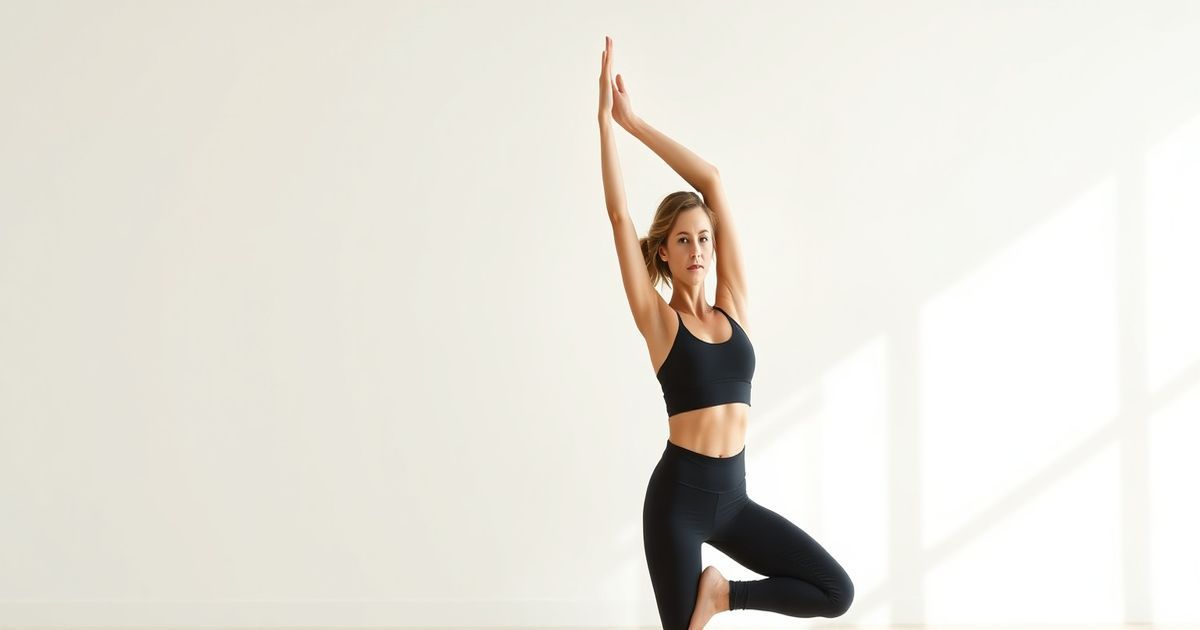
The modeling profession demands that you show up to every booking looking and feeling your best. Yet contrary to popular belief, staying camera-ready does not require extreme diets or punishing workout regimens. The most successful working models approach fitness as a sustainable lifestyle practice, one that supports their energy levels, posture, and physical confidence without compromising their health or well-being.
Why Pilates and Yoga Dominate the Industry
Walk into any studio frequented by professional models and you will find Pilates reformers and yoga mats in heavy rotation. These disciplines have become staples in the modeling world for good reason. Pilates builds long, lean muscle tone while strengthening the core, which directly translates to better posture on the runway and in front of the camera. Yoga adds flexibility, balance, and a mindfulness component that helps manage the mental demands of a fast-paced career.
Both practices emphasize controlled movement and body awareness rather than sheer exertion. For models who need to maintain a specific silhouette without adding excessive bulk, this approach is ideal. A consistent Pilates or yoga practice three to four times per week can produce visible results within weeks while reducing the risk of injury that comes with higher-impact activities.
Low-Impact Strength Training
Strength training is essential, but the approach matters. Models typically focus on higher repetitions with lighter weights rather than heavy lifting aimed at maximum muscle growth. The goal is muscular definition and functional strength, not size. Exercises that target multiple muscle groups simultaneously, such as lunges, planks, and resistance band work, offer the most efficient results.
- Resistance bands: Portable, versatile, and excellent for toning arms, glutes, and legs without heavy equipment.
- Bodyweight exercises: Push-ups, squats, and planks build foundational strength anywhere.
- Light dumbbells: Three to eight pound weights are sufficient for most toning objectives.
- Barre workouts: Combining ballet-inspired movements with isometric holds for sculpted, elongated muscles.
Cardio Without the Bulk
Cardiovascular fitness matters for stamina, especially during long shoot days or back-to-back casting calls and runway shows. However, many models avoid high-intensity running or cycling that can build significant leg muscle mass. Instead, they opt for activities that elevate the heart rate while maintaining a leaner physique.
Walking remains one of the most underrated forms of cardio in the industry. A brisk forty-five-minute walk each morning supports cardiovascular health, aids digestion, and provides mental clarity without any risk of overtraining. Swimming is another excellent option that works the entire body with zero impact on joints. Dance-based cardio classes also remain popular, combining cardiovascular conditioning with coordination and grace.
The best fitness routine is the one you can maintain consistently. Extreme programs produce short-term results but long-term burnout. Moderation and sustainability always win.
Flexibility and Mobility Work
Flexibility is more than a nice addition to a fitness routine; for models, it is a professional necessity. The ability to move fluidly through poses, maintain awkward positions for extended periods, and transition gracefully between setups requires genuine physical mobility. Stretching after every workout, even for just ten minutes, makes a meaningful difference over time.
Foam rolling and myofascial release work should also feature in your weekly routine. These recovery techniques reduce muscle tightness, improve circulation, and help prevent the kind of chronic tension that leads to stiff, unnatural movement on camera. Many models keep a foam roller and lacrosse ball in their travel bags for this exact purpose.
Functional Fitness for Long Shoot Days
A twelve-hour shoot day in heels is a physical endurance test. Models who invest in functional fitness, exercises that mimic real-world movements and build practical stamina, handle these demands far more gracefully. Core stability is paramount, as it supports the spine during long periods of standing and posing. Ankle and foot strengthening exercises help prevent fatigue and injury from prolonged heel-wearing.
Consider incorporating single-leg balance exercises, calf raises, and hip stabilization drills into your routine. These targeted movements may not look glamorous, but they directly support the physical demands of your profession.
Travel-Friendly Workouts
Models travel constantly, and maintaining a fitness routine on the road requires adaptability. A reliable bodyweight circuit that can be performed in a hotel room eliminates the excuse of not having access to a gym. A sample travel workout might include:
- Fifteen minutes of dynamic stretching and mobility work
- Three sets of fifteen squats
- Three sets of twelve push-ups (modified if needed)
- Three sets of twenty alternating lunges
- A sixty-second plank, repeated three times
- Ten minutes of stretching and cool-down
This entire routine takes approximately thirty-five minutes and requires no equipment. Pair it with a resistance band for added variety, and you have a comprehensive program that works in any time zone.
Avoiding Over-Training
One of the most common mistakes new models make is over-training in pursuit of rapid physical changes. Excessive exercise leads to fatigue, elevated cortisol levels, poor sleep, and a gaunt appearance that reads poorly on camera. Rest days are not optional; they are an essential component of any effective fitness program.
Aim for four to five active days per week, with at least two full rest or active recovery days. On rest days, gentle walking or light stretching is perfectly acceptable, but resist the urge to push through fatigue. Your body rebuilds and strengthens during recovery, not during the workout itself.
Listening to Your Body
Above all, the most important fitness principle for models is body awareness. Learn to distinguish between productive discomfort and the warning signs of overuse or injury. If a particular exercise consistently causes pain rather than the satisfying burn of effort, stop doing it and seek professional guidance.
Your body is your instrument and your livelihood. Treat it with the same care and respect that a musician gives to a fine instrument. Consistent, moderate, and mindful movement will keep you camera-ready for years to come, sustaining both your career and your overall quality of life. Visit our model resources page for more wellness guidance.