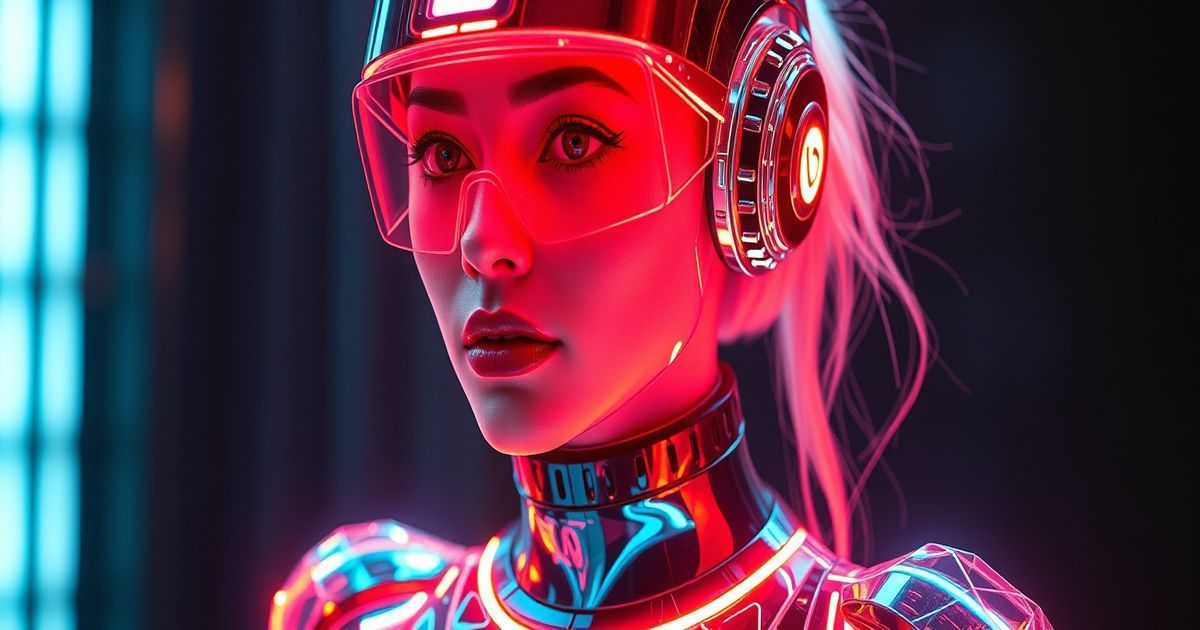
The fashion industry is undergoing a technological transformation that would have seemed like science fiction a decade ago. Virtual models with millions of social media followers, digital garments that exist only as rendered images, and AI-generated campaign imagery are no longer experimental novelties. They are becoming integrated components of how fashion brands operate, market, and sell. For real-world models and the agencies that represent them, understanding this shift is not optional. It is essential.
The Emergence of Virtual Influencers
Virtual influencers are computer-generated characters designed to look and behave like real people on social media. They post outfit photos, share lifestyle content, collaborate with brands, and accumulate followers who engage with them as if they were human. Some of the most prominent virtual influencers have secured partnerships with luxury fashion houses, appeared on magazine covers, and generated engagement rates that rival or exceed those of their human counterparts.
The appeal for brands is clear. Virtual influencers never age, never have personal scandals, and are available for content creation around the clock. Their image can be controlled with absolute precision, and they can be placed in any setting, wearing any garment, without the logistical costs of traditional production. For brands seeking consistency and total creative control, virtual talent offers compelling advantages.
Digital Garments and the New Wardrobe
Beyond virtual models, the garments themselves are going digital. Digital fashion houses now create clothing that exists exclusively as rendered files. Consumers purchase these items to be digitally fitted onto their photographs for social media, or to dress their avatars in virtual environments and gaming platforms.
For the fashion industry at large, digital clothing offers a sustainable alternative to physical production. No fabric waste, no shipping emissions, no overstock. Collections can be produced, showcased, and sold entirely in the digital realm, reducing the environmental footprint that has made traditional fashion one of the world's most polluting industries.
Digital fashion is not replacing physical clothing. It is creating an entirely new category of product and expression. The models and professionals who recognize this distinction early will be best positioned to participate in both worlds.
Augmented Reality and Virtual Try-Ons
Augmented reality technology is transforming how consumers interact with fashion before making a purchase. AR try-on features, now embedded in the apps of major retailers and fashion brands, allow users to see how garments, accessories, and cosmetics look on their own bodies through their smartphone cameras. This technology reduces return rates, increases purchasing confidence, and creates interactive shopping experiences that blur the line between digital and physical retail.
For models, AR technology introduces new types of work. Brands need talent to serve as the basis for AR body mapping, to demonstrate products in AR-enabled campaigns, and to create content that integrates seamlessly with these interactive platforms. Understanding how to work within AR environments is becoming a valuable skill set that distinguishes forward-thinking models from those who remain exclusively within traditional formats.
AI in Campaign Creation
Artificial intelligence is increasingly involved in every stage of campaign development, from concept ideation to final image generation. AI tools can generate photorealistic images of models wearing garments that have not yet been physically produced, create variations of campaign imagery for different markets and demographics, and even predict which visual compositions will drive the highest engagement.
Some brands have already released campaigns featuring AI-generated imagery exclusively, bypassing traditional photoshoots entirely. While these campaigns have generated both interest and controversy, they represent a clear direction of travel for the industry. The cost savings are significant: no studio rental, no crew, no travel, and no scheduling constraints.
However, the quality of AI-generated fashion imagery, while advancing rapidly, still lacks the subtle authenticity that experienced photographers and real models bring to a shoot. The slight imperfections, the genuine emotion in an expression, the unpredictable way light interacts with skin and fabric in a real environment are elements that even the most sophisticated AI cannot yet fully replicate.
How Real Models Can Adapt and Coexist
The rise of digital fashion does not signal the end of human modeling. It signals an expansion of the field and a redefinition of what it means to be a working model. Here are practical ways real-world talent can position themselves for success in this evolving landscape:
- Develop digital literacy: Understand how AR, VR, and AI technologies work at a basic level. Familiarity with these tools makes you a more valuable collaborator in hybrid productions that blend physical and digital elements.
- Build your personal brand: A strong, authentic social media presence demonstrates the kind of genuine connection with audiences that virtual influencers cannot fully replicate. Review our portfolio to see how real talent continues to lead the industry. Invest in content that showcases your personality, your point of view, and your human experience.
- Embrace motion capture and body scanning: Some of the highest-paying digital fashion work involves motion capture sessions and 3D body scans that serve as the foundation for virtual garments and digital avatars. Models comfortable with these technologies will access opportunities that traditionalists will not.
- Specialize in live experiences: Fashion shows, live events, brand activations, and in-person appearances remain domains where human presence is irreplaceable. Models who excel in these settings offer value that no digital technology can match.
- Collaborate rather than compete: Some of the most innovative campaigns blend real models with digital elements, using CGI backgrounds, digitally rendered garments on physical bodies, or augmented reality layers that enhance live performances. Position yourself as someone who bridges both worlds.
The Human Element That Cannot Be Replaced
For all its promise, digital fashion has fundamental limitations rooted in what makes fashion meaningful to people. Fashion is not merely about images. It is about identity, culture, aspiration, and the deeply personal experience of wearing something that makes you feel a certain way. These emotional dimensions require human expression to communicate authentically.
A virtual model can display a garment. A real model can make someone feel something while wearing it. That distinction matters. The slight tension in a jawline, the confidence in a stride, the way a model inhabits a garment and transforms it from an object into a story are qualities that emerge from lived human experience. They cannot be programmed.
The fashion industry has always evolved through technology, from the printing press that enabled fashion magazines to the television that created the supermodel era to the social media platforms that democratized access to the industry. Digital fashion and virtual modeling represent the next chapter in that ongoing evolution, not a replacement of what came before, but an expansion of what is possible.
Models who approach this transformation with curiosity, adaptability, and a clear sense of their own irreplaceable value will not only survive the digital shift. They will define it. For more on navigating the evolving industry, visit our model resources.