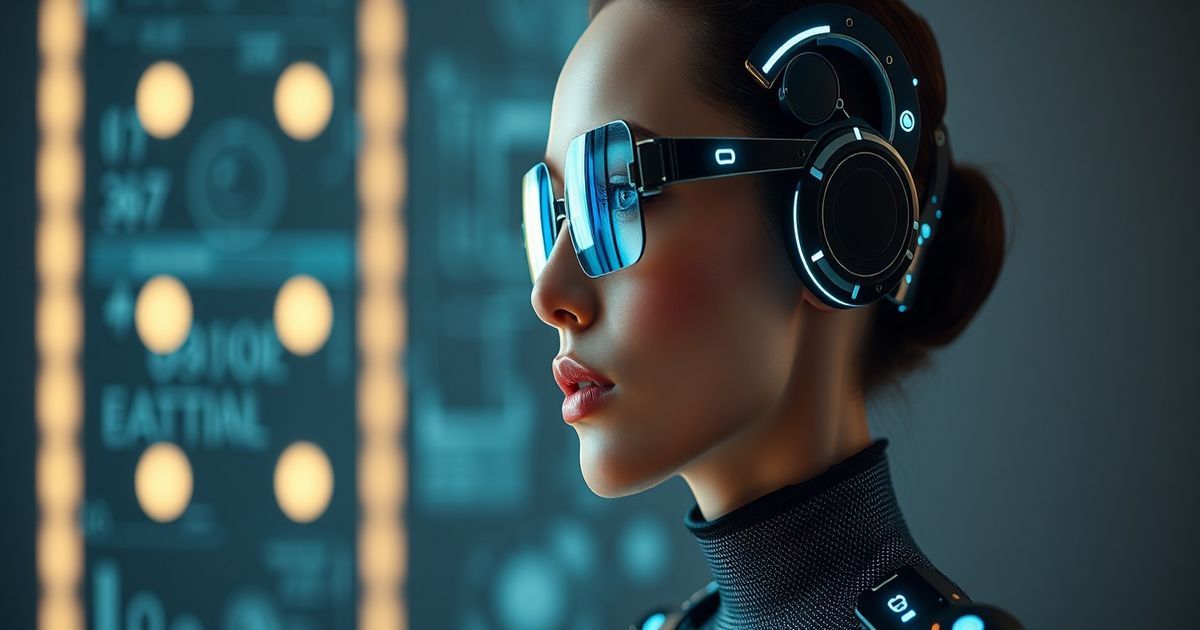
The modeling industry stands at the threshold of its most significant transformation in decades. Artificial intelligence is no longer an experiment confined to tech incubators and innovation labs. In 2026, AI has become the backbone of casting decisions, booking workflows, and talent discovery across major markets worldwide.
Industry executives surveyed by Business of Fashion and McKinsey cite artificial intelligence as the single biggest opportunity for fashion this year, surpassing sustainability, product differentiation, and market expansion. With AI positioned to add as much as 275 billion dollars in profits to the global fashion industry by the end of 2026, the technology is reshaping every corner of the business, and models are experiencing these changes firsthand.
From Manual Scouting to Algorithmic Discovery
For decades, the path to representation followed a predictable pattern. Models were discovered at open calls, scouted in shopping districts, or recommended through industry connections. That model still exists, but it now runs parallel to a sophisticated AI-driven discovery system that operates continuously across digital platforms.
Casting directors and agencies are deploying machine learning tools that scan social media profiles, analyze engagement metrics, and assess visual consistency across thousands of potential candidates simultaneously. These systems evaluate not just aesthetic markers but also brand alignment, audience demographics, and content authenticity. The result is a scouting process that never sleeps and reaches talent in markets that were previously inaccessible to traditional agencies.
AI-Powered Casting Workflows
The casting process itself has been fundamentally reengineered by artificial intelligence. Where casting directors once manually reviewed hundreds of portfolios and comp cards for a single campaign, AI platforms now pre-screen submissions based on client briefs, eliminating mismatches before human review begins.
These systems analyze facial symmetry, body proportions, previous editorial work, and even movement patterns from video submissions. Brands provide parameters, and the AI surfaces candidates who meet those specifications with startling precision. The technology does not replace the casting director, but it dramatically accelerates the early stages of selection, allowing professionals to focus their expertise where it matters most: final creative decisions and talent relationships.
Autonomous Booking Agents
Perhaps the most disruptive development is the emergence of autonomous AI booking agents. These digital systems act as intermediaries between brands and agencies, monitoring availability, negotiating rates within pre-approved ranges, and even completing contracts without direct human intervention for routine bookings.
For models, this means faster confirmations and fewer scheduling conflicts. For agencies, it means operational efficiency at scale. A single AI agent can manage bookings for an entire roster, cross-referencing calendars, travel logistics, and client preferences in real time. The technology is particularly valuable in international markets where time zones and language barriers previously created friction in the booking process.
The Personalization Imperative
AI has made hyper-personalization an industry standard. Brands no longer cast broadly and hope for resonance. They use predictive analytics to identify which models will connect with specific audience segments based on demographic data, purchasing behavior, and social media engagement patterns.
This shift demands that models approach their careers with a deeper understanding of their personal brand and audience. Your digital presence is no longer supplementary to your portfolio. It is your portfolio, analyzed and evaluated by algorithms before a human ever sees your work. Models who succeed in this environment are those who cultivate authentic, consistent, and strategically aligned online identities.
What This Means for Working Models
The AI revolution creates both opportunity and pressure. On one hand, talented models in secondary and tertiary markets now have access to global casting calls through digital platforms. Geographic barriers are collapsing, and visibility is democratizing. On the other hand, the volume of competition has increased exponentially, and the criteria for selection have become more data-driven and less subjective.
Models must now optimize not only their physical presence but also their digital footprint. This includes maintaining high-quality visual content, understanding platform algorithms, and strategically engaging with audiences in ways that signal professionalism and brand alignment. The days of relying solely on agency representation are fading. Successful models are active participants in their own digital marketing, working in partnership with their agencies to build careers that are algorithmically visible and commercially viable.
Navigating the Human-AI Balance
Despite the technological transformation, one constant remains: fashion is a fundamentally human enterprise. AI can identify patterns, optimize workflows, and surface opportunities, but it cannot replicate the creative intuition of an experienced casting director or the authentic connection between a model and a photographer on set.
The most successful professionals in 2026 are those who embrace AI as a tool while preserving the irreplaceable human elements of the craft. Agencies like Pelageo integrate AI-driven systems for efficiency while maintaining the personalized guidance, mentorship, and creative direction that define world-class representation. Technology accelerates the process, but relationships, artistry, and professionalism still close the booking.
Looking Ahead
The integration of artificial intelligence into modeling is irreversible and accelerating. Virtual try-ons, AI-generated campaign content, and digital twins are already emerging as standard tools in brand marketing strategies. Models who understand these technologies, adapt to new workflows, and maintain their unique creative value will thrive in this transformed landscape. For those ready to take the next step, exploring our model resources is a practical starting point.
The future belongs to those who view AI not as a threat but as an amplifier of opportunity. The modeling industry is changing, but talent, professionalism, and authentic presence remain the foundation of every successful career. The tools have evolved. The fundamentals have not.