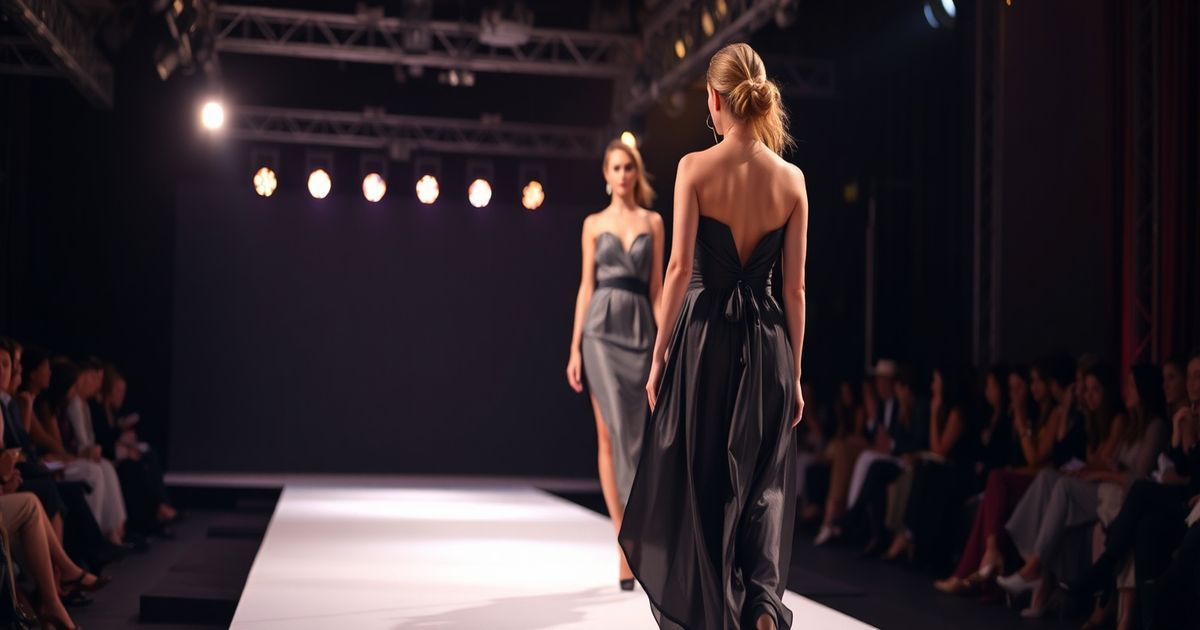
The runway walk is the signature skill that separates catalog models from fashion week talent. While a strong portfolio opens doors, your walk determines whether casting directors book you for the shows that define careers. In 2026, as fashion weeks in New York, London, Milan, and Paris continue to evolve, the technical and stylistic demands of runway work have never been more precise.
Mastering the catwalk is not about adopting a single signature strut. It is about developing the technical foundation, adaptability, and presence to meet the creative vision of every designer you walk for. Here is how to refine your runway technique for the demands of modern fashion.
The Foundation: Posture and Alignment
Great runway walks begin with impeccable posture. Your spine should be elongated, shoulders back and down, chin parallel to the floor. This alignment creates the column of height and poise that designers expect on the catwalk. Imagine a string pulling upward from the crown of your head while your feet remain grounded and stable.
Core engagement is essential. A strong, activated core stabilizes your torso and allows your limbs to move fluidly without affecting your center of gravity. This control is what enables you to glide down the runway in five-inch heels or architectural footwear without wobbling or hesitation.
Practice your posture off the runway first. Stand against a wall with your heels, hips, shoulders, and head touching the surface. Hold this position for 60 seconds at a time, feeling the alignment settle into your muscle memory. Translate this awareness to movement by walking across a room while maintaining the same lifted, lengthened spine.
The Walk: Stride, Placement, and Rhythm
The modern runway walk is less exaggerated than the supermodel era of the 1990s, but it still requires precision and confidence. Your stride should be purposeful and even. Lead with your hips, allowing them to initiate each step while your legs follow naturally. This creates the subtle forward momentum that reads as effortless on camera and from the audience.
Foot placement matters. Walk in a straight line, placing one foot nearly in front of the other without crossing over. This narrow path elongates your silhouette and maintains fluidity. Your heel should strike the runway first, followed by a smooth roll through the ball of your foot. Avoid stomping or dragging your toes.
Rhythm is where personal style meets technical discipline. Most runway walks follow a measured, even tempo. Count a consistent beat in your head to maintain pacing, especially during rehearsals when music may not be playing. Once the show begins, sync your rhythm with the soundtrack while keeping your movements controlled and unhurried. Rushing reads as nerves. Confidence is steady.
Arm Position and Movement
Arms should hang naturally at your sides with a slight bend at the elbow. Let them swing gently in opposition to your legs as you walk. The movement should be relaxed, not rigid or exaggerated. Some designers prefer minimal arm swing, others want more drama. Pay attention during fittings and rehearsals to understand the specific direction for each show.
Hand placement is equally important. Keep your hands soft, not clenched. Fingers should be gently elongated, never splayed or curled into fists. Your arms frame the garments you are wearing. They should enhance, not distract.
The Pivot: Technique and Timing
The turn at the end of the runway is your moment to showcase the garment and hold the audience's attention. A clean, controlled pivot demonstrates professionalism and poise. There are several pivot techniques, but the most common is the one-point turn.
As you reach your mark at the end of the runway, pause for a beat. This pause allows photographers to capture the look and gives the audience a moment to absorb the garment. Then, shift your weight onto your front foot, pivot sharply on the ball of that foot, and swing your back leg around to complete the turn. Your shoulders should remain level throughout. Exit with the same confident stride you used on your entrance.
Some shows require a two-point turn, where you pause, step to the side, pause again, and then exit. Others call for minimal pause and a faster exit to maintain energy. Learn multiple pivot styles so you can adapt to any creative direction.
Presence and Expression
Technical mastery is only half the equation. Runway presence is the intangible quality that commands attention and communicates the mood of the collection. Your facial expression, energy, and eye contact shape how the audience experiences the clothes.
Most runway shows call for a neutral, focused expression. This is not blank or lifeless. It is controlled intensity. Your gaze should be directed straight ahead or slightly above the audience, projecting confidence without making direct eye contact with individuals. Think of it as looking through the crowd, not at them.
Some collections require a different energy. Playful ready-to-wear may call for a softer expression or even a subtle smile. Avant-garde shows may want drama or edge. Study the mood board and creative references during rehearsals. Adapt your presence to match the designer's vision.
Owning the Space
Confidence on the runway is not about ego. It is about ownership. You are not walking for yourself. You are embodying the designer's creative vision and presenting their work to the world. When you step onto that runway, claim the space with calm authority. Trust your training, trust the garment, and trust your ability to deliver.
Nerves are natural, especially before major shows. Channel that adrenaline into focus. Breathe deeply backstage. Visualize your walk from start to finish. Remind yourself that you were cast because the designer believes you can execute their vision. Then step out and do exactly that.
Training and Refinement
Runway skills are built through deliberate practice. Work with a coach if possible, especially when preparing for major castings or fashion week. Record yourself walking and review the footage critically. Notice where your posture slips, where your rhythm falters, where your expression feels uncertain. Make adjustments and walk again.
Practice in the shoes you will wear. Heels change your center of gravity and require different muscle engagement than flats. If a show requires unconventional footwear like platforms, sculptural heels, or boots, request time to rehearse in them before the show.
Strengthen your body off the runway. Pilates, ballet, and yoga all build the core strength, balance, and body awareness that translate directly to better runway performance. Cardiovascular fitness ensures you can maintain energy and composure through multiple looks and long show days.
Adapting to Designer Aesthetics
No two designers want the same walk. A haute couture show demands regal elegance and slower pacing to showcase intricate craftsmanship. A streetwear presentation may call for a more relaxed, grounded energy. Avant-garde collections often require boldness and theatrical presence.
Study past shows from the designers you are walking for. Watch how their preferred models move. Note the pacing, the energy, the styling. Arrive at rehearsals prepared to adapt. Take direction without resistance. The ability to adjust your walk to fit a designer's vision is what separates working runway models from those who only book occasionally.
The Business of the Walk
Your runway walk is a professional skill that directly impacts your bookings. Casting directors remember models who walk well. Designers request them for future shows. A strong walk can elevate your editorial and campaign opportunities because it signals polish, discipline, and versatility.
Invest in refining this skill as seriously as you invest in your portfolio. Attend workshops. Seek feedback. Practice consistently. The runway is where reputations are built and careers are launched. Make every step count.
Fashion Week 2026 will showcase new collections, new designers, and new opportunities. Models who walk with technical precision, adaptable presence, and quiet confidence will be the ones booked season after season. Master the fundamentals, stay open to creative direction, and let your walk speak for your professionalism.