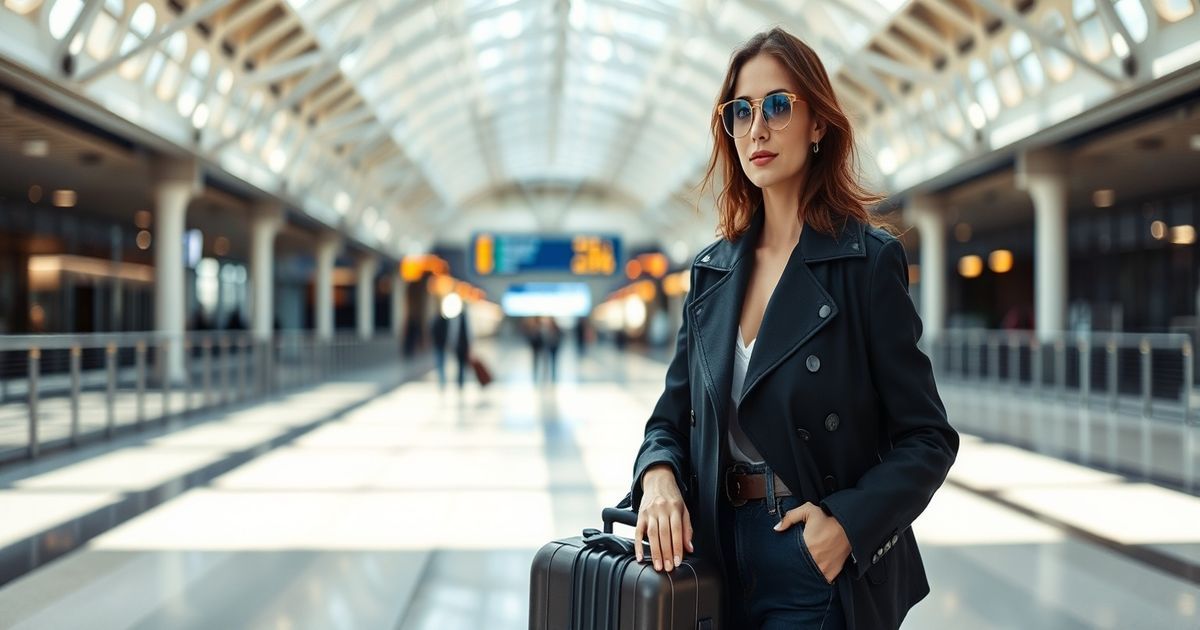
The fashion week circuit is exhilarating, demanding, and relentless. One week you are walking for a designer in Milan, the next you are booked for fittings in Paris, then castings in New York. For working models, international travel is not a luxury — it is the job. But constant movement across time zones, climates, and continents can take a serious toll on your body, skin, and mental clarity.
The models who sustain long careers on the circuit are not just genetically gifted. They are strategic about wellness. They know how to recover quickly, maintain energy, and show up camera-ready no matter where they land. These are the habits that keep them competitive when others burn out.
Understanding Jet Lag and Your Body
Jet lag is not just tiredness. It is a disruption of your circadian rhythm — your internal clock that regulates sleep, hormone production, digestion, and body temperature. When you cross multiple time zones rapidly, your body struggles to recalibrate. The result is fatigue, brain fog, digestive issues, and compromised immunity — none of which photograph well.
The key to managing jet lag is not fighting it with caffeine and willpower. It is working with your biology to accelerate adjustment. Professional models treat jet lag management as seriously as they treat skincare.
Reset Your Clock Before You Land
The most effective strategy is to start adjusting to your destination time zone before you board the plane. Set your watch to local time as soon as you take off on longer flights. If it is daytime at your destination, stay awake. If it is nighttime, try to sleep. This mental shift helps your body begin the transition early.
Some models use apps like Timeshifter, originally created for astronauts, which provide personalized schedules for sleep, light exposure, and caffeine intake based on your flight details. The app tells you exactly when to seek sunlight, when to avoid it, and when to take strategic naps. Following this kind of structured plan can cut your adjustment period in half.
Hydration Is Non-Negotiable
Dehydration amplifies every symptom of jet lag. Airplane cabins have humidity levels below twenty percent — drier than most deserts. Your skin, eyes, and mucous membranes lose moisture rapidly, and dehydration disrupts sleep quality and cognitive function.
Drink water consistently throughout your flight. Bring an empty water bottle through security and fill it before boarding. Add electrolyte packets the day before travel and during the flight to help your body retain hydration more effectively. Avoid alcohol and limit caffeine, both of which dehydrate you further.
Movement and Exercise on the Road
One of the worst things you can do after a long flight is collapse into bed for hours. Light movement and exercise — even when you feel exhausted — actually help reset your circadian rhythm and boost energy levels. Models who maintain workout routines while traveling report faster recovery and better mental clarity.
You do not need a full gym session. A twenty-minute walk outside in natural daylight sends powerful signals to your brain that it is time to be awake. Sunlight exposure in the morning helps regulate melatonin production, making it easier to fall asleep at the correct local time later.
If you have access to a hotel gym, keep workouts light but consistent. Stretching, yoga, or bodyweight exercises maintain circulation, reduce stiffness from sitting, and help you feel more grounded. Never skip movement entirely — it provides energy rather than draining it.
Sleep Strategy for Multiple Time Zones
Sleep is your most powerful recovery tool, but getting quality rest while traveling requires intention. Many models swear by sleep hygiene rituals that signal to their body that it is time to rest, regardless of location.
Create a Consistent Wind-Down Routine
Bring portable cues that tell your brain it is bedtime. This might include a specific pillow spray, a sleep mask, earplugs, or herbal tea. The ritual matters more than the items themselves — your brain learns to associate these cues with sleep, making it easier to fall asleep in unfamiliar hotel rooms.
Magnesium supplements are popular among frequent travelers for promoting relaxation and deeper sleep without the grogginess of sleep medication. Herbal teas like chamomile or valerian root can also support natural sleep onset.
Manage Light Exposure
Light is the most powerful regulator of your circadian rhythm. Use it strategically. If you arrive in the morning and need to stay awake, get outside into bright sunlight immediately. If you arrive at night and need to sleep, dim the lights in your room and avoid screens for at least an hour before bed.
Blue light from phones and laptops suppresses melatonin production, making it harder to fall asleep. If you must use devices at night, enable night mode or wear blue light blocking glasses.
Nutrition That Travels
Eating well on the road is challenging but critical. Your energy, skin quality, and immune function all depend on consistent nutrition, and models who prioritize whole foods over convenience report feeling significantly better during heavy travel periods.
Pack portable snacks that do not require refrigeration: nuts, seeds, protein bars, dried fruit, and nut butter packets. These prevent you from relying on airport food or skipping meals entirely when schedules get chaotic.
When choosing meals, prioritize protein and vegetables. Avoid heavy, processed foods that cause bloating and energy crashes. If you are adjusting to a new time zone, try to eat meals at local times rather than when you feel hungry — this helps reset your internal clock faster.
Skin and Self-Care in Transit
Your skin takes a beating during travel. Recycled cabin air, changing climates, and dehydration all contribute to dullness, dryness, and breakouts. Models who work internationally keep their skincare routine simple but diligent.
Before boarding, apply a hydrating serum and a rich moisturizer. Skip makeup on long flights — your skin needs to breathe. Bring a facial mist to reapply throughout the flight. After landing, cleanse thoroughly and reapply your core products.
Sheet masks are a favorite among models for quick hydration boosts in hotel rooms. A ten-minute mask before a casting or fitting can make a visible difference in skin brightness and texture.
Mental Resilience and Stress Management
The constant movement, tight schedules, and pressure to perform can be mentally exhausting. Building mental resilience is as important as physical wellness. Models who thrive on the circuit often have daily practices that help them stay grounded.
Meditation apps, breathing exercises, or journaling for just five to ten minutes per day can reduce stress and improve sleep quality. Even on chaotic days, these small practices create a sense of control and calm.
Stay connected with friends, family, or fellow models who understand the lifestyle. Isolation amplifies stress. A quick video call or message thread can provide emotional support and perspective when you are far from home.
Recovery Between Trips
When you do have downtime between fashion weeks, prioritize true rest. This does not mean collapsing from exhaustion — it means actively restoring your body. Get extra sleep, eat nourishing meals, move gently, and spend time doing things that bring you joy outside of work.
Your career longevity depends on how well you recover, not just how hard you push. The models who last decades in the industry are the ones who treat their wellness as seriously as their portfolio.
The fashion week circuit will always be demanding. But with the right strategies, you can travel with energy, clarity, and confidence — and show up at every casting looking and feeling your best.